
Pebble & Quartz Pool Finishes in Orlando, FL
We connect Orlando-area homeowners with independent local pool contractors for free, no-obligation quotes. The contractor you choose quotes, contracts and does the work. Use this page to compare quartz, pebble and plaster before the quotes arrive.
Get a Free Quote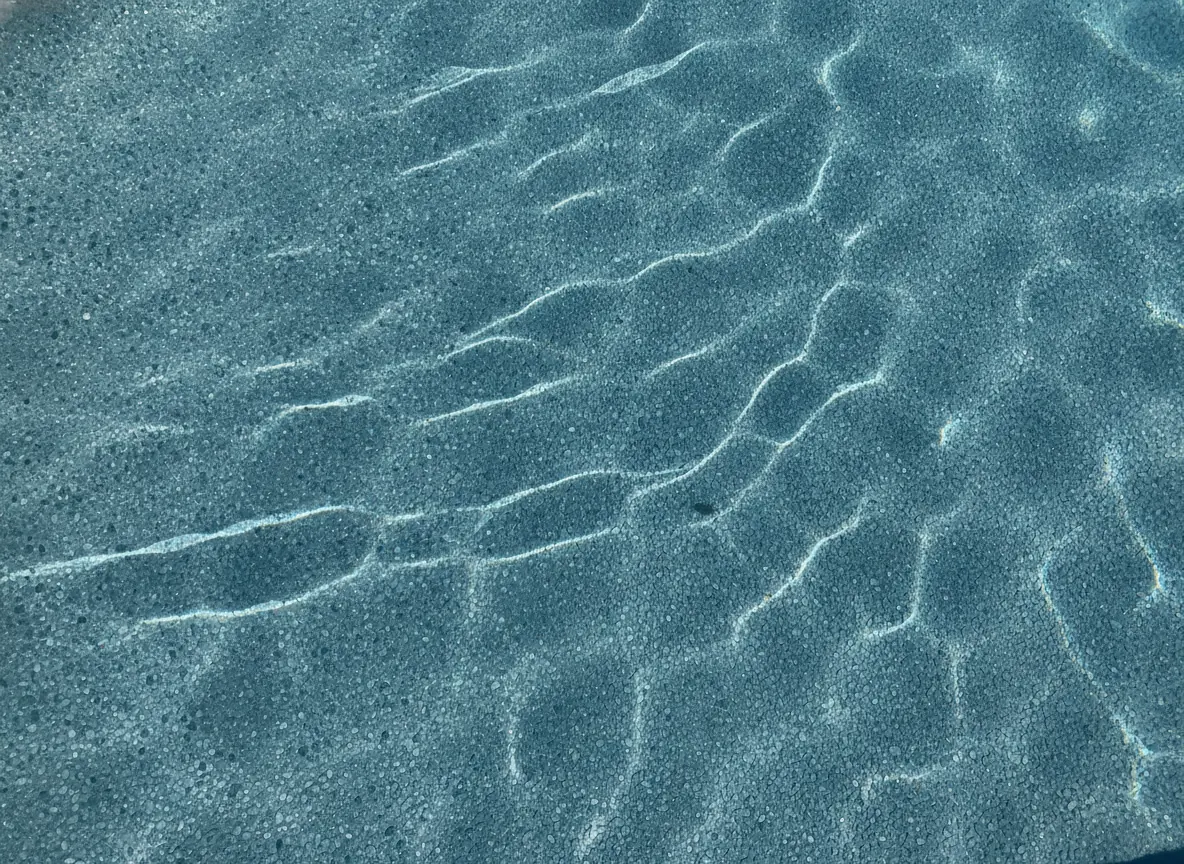
Quartz vs pebble vs plaster
All three are interior finishes for concrete (gunite) pools, and Florida law treats each as "interior finishes" work for a licensed pool contractor. The difference is what goes into the mix.
- Plaster (marcite). The cement-based finish, white or colored. It is the lowest rung of the price ladder.
- Quartz. Plaster with quartz aggregate blended in. Cost guides call it quartz plaster and price it a step above white plaster.
- Pebble aggregate. A finish with small pebbles in the mix, offered as full pebble, mini-pebble and polished or glass-bead variations. It spans the widest price range.
Color is a big part of the choice, and finishes look different underwater than on a dry sample board. Ask to see wet samples or photos of finished pools in the product you are considering. For a longer comparison, read pebble vs quartz vs plaster in Florida.
The price ladder
Per-square-foot ranges make finishes easier to compare. The dollar figures in parentheses assume about 1,000 square feet of interior surface.
| Item | Typical range |
|---|---|
| White plaster / marcite | $6–$8 per sq ft (about $6,000–$8,000 per 1,000 sq ft) |
| Quartz finish | $7–$10 per sq ft (about $7,000–$10,000) |
| Pebble aggregate finish | $7–$15 per sq ft (about $7,000–$15,000); premium brand-name pebble $10–$20 per sq ft |
| Pool resurfacing, typical project | $6,000–$15,000 (about 1,000 sq ft of surface) |
Typical national ranges from HomeGuide (2026), HomeAdvisor (2026), Angi (2026) and Fixr — estimates, not quotes.
The finish is only part of a quote. Draining, prep, tile and drain-cover work can be separate lines. The cost guide lists every item, and the resurfacing and replastering page walks through the job sequence.
How long each finish lasts: estimates vary by source
Lifespan is the question homeowners ask most, and it is where published figures disagree most. Fixr's figures for plaster alone conflict, with 5–10 years on one page and 15–20 years on another. We did not find a consistent published figure for quartz or pebble. Rather than lean on a single number, ask each contractor:
- What finish life the manufacturer and installer state, and whether that is in writing
- What warranty terms apply and what pool chemistry they require
- How prep (chipping out the old finish or a bond coat) affects the new surface
Brand names and what to put in writing
Homeowners often call pebble finishes by brand names. That is fine as shorthand, but a quote should name the actual manufacturer and product line so you can compare like with like. Brand-name pebble sits at the top of the ladder, about $10–$20 per square foot. If a contractor makes claims about its relationship with a manufacturer, ask for that in writing too.
Hard water and start-up
Orlando Utilities Commission reports average hardness of about 129 ppm, roughly 7 grains per gallon. On the water-quality scale cited in a Florida Public Service Commission filing, that sits at the boundary between moderately hard and hard. Orlando also averages 109.9 days a year at or above 90 °F (NOAA 1991–2020 normals, Orlando International Airport), so pool water stays warm much of the year.
Fill water matters most right after the refill, during start-up. We have not found a published plaster-industry source on start-up chemistry to cite, so follow the written start-up instructions from your contractor and the finish manufacturer. Our post on Orlando hard water and a new pool finish covers what to ask.
License and permit basics
In Florida, pool resurfacing is licensed pool contracting. All three state pool/spa license classes (commercial, residential, and swimming pool/spa servicing) list "interior finishes" or "interior refinishing" in their scope (Fla. Stat. §489.105(3)(j)–(l)), and the servicing class also covers draining a pool for repair or renovation. A servicing contractor may not modify the concrete shell (CILB declaratory statement DS 2009-064), so structural changes need a residential or commercial pool contractor. Plaster, tile and deck crews may hold voluntary pool specialty licenses (Rule 61G4-15.032), but they must work under contract to a licensed pool contractor.
Ask for the contractor's state license number (it must appear in their ads and contracts, §489.119(5)(b)) and check it on MyFloridaLicense.com. A county business tax receipt is not a license.
Permit rules for resurfacing vary by city and county, and no Orange, Seminole or Lake county source we found states the residential rule in writing. Orange County has treated pool resurfacing as a pool renovation, and it requires a permit for new concrete or paver decks (pavers need a zoning permit). The licensed contractor confirms and pulls any permit required.
If you are also replacing waterline tile or coping, see tile and coping replacement.
Pebble and quartz finish questions
What is the difference between a pebble and a quartz pool finish?
Both are aggregate finishes for concrete pools. Quartz finishes are plaster with quartz aggregate mixed in, and cost guides list them at about $7–$10 per square foot. Pebble finishes use small pebbles in the mix and run about $7–$15 per square foot, with premium brand-name pebble at $10–$20. Ask each contractor to show wet samples of the exact product they propose.
Is a quartz pool finish better than plaster?
It depends on budget and what you want from the surface. Quartz costs a little more than white plaster in national cost guides ($7–$10 versus $6–$8 per square foot). Published lifespan figures do not settle the question, because estimates vary by source. Compare written quotes that name the product, the scope of prep and the start-up instructions for each finish.
How long does a pebble or quartz finish last?
Estimates vary by source. Even for plain plaster, Fixr's figures conflict, with 5–10 years on one page and 15–20 years on another, and we found no consistent figure for quartz or pebble. Ask each contractor what finish life and warranty terms the manufacturer and installer state in writing, and how pool chemistry affects them.
Does Orlando's hard water affect a new pool finish?
Orlando Utilities Commission reports average hardness of about 129 ppm, roughly 7 grains per gallon, which sits at the boundary between moderately hard and hard on the water-quality scale cited in a Florida PSC filing. Fill water hardness is part of start-up chemistry for any new finish. Ask the contractor how their start-up plan handles it and get it in writing.
Can I ask for a specific brand of pebble finish?
Yes. Homeowners often call pebble finishes by brand names. If a particular product matters to you, ask the contractor to name the manufacturer and product line in the written quote and contract, so you can compare like with like. Brand-name pebble usually sits at the top of the price ladder, about $10–$20 per square foot in national cost guides.
Get free pebble or quartz finish quotes or call Call (727) 300-6656.
Rough plaster, stains or loose tile? Get a clear resurfacing quote.
Free, no-pressure quotes across Orlando, Winter Park, Windermere, Oviedo, Lake Mary and Central Florida.